
Why the algorithm will never be a director
The history of the moving image is a history of technological disruption. From the introduction of synchronized sound to the advent of digital cinematography, every major leap has been met with both awe and anxiety. Today, as we stand in the floodwaters of generative artificial intelligence, the conversation has once again shifted entirely to the apparatus. We speak endlessly about software limits, prompt engineering, rendering speeds, and the unsettling fidelity of synthetic images.
Yet, this obsessive focus on the mechanism reveals a fundamental misunderstanding of what cinema and visual storytelling actually are. We are analyzing the chemical composition of the paint while completely ignoring the mind of the painter. It is a collective delusion to believe that cameras, or algorithms, win Oscars. They do not. The apparatus is entirely passive. It is human genius, culture, sensitivity, and the urgency of having something to say that transforms a sequence of frames into a masterpiece.
To understand the current crisis of the image, we must separate the act of generating from the act of directing.
The illusion of the object
With next-generation digital tools, summoning a flawless image takes mere seconds. If prompted, an algorithm can effortlessly render a shadow across a room, a specific melancholic gaze, or an intricate winding staircase. It can generate these objects with mathematical perfection. But the algorithm does not know what a staircase means.
Consider the cinematic legacy of Alfred Hitchcock. In Hitchcock’s visual language, a staircase is never just an architectural structure meant to connect two floors. It is a psychological descent into the unconscious; a visualization of inner torment; a space of extreme vulnerability. In Vertigo or Psycho, the act of ascending or descending is a metaphor for the violation of the mind.
When Hitchcock filmed a glass of milk in Suspicion, he famously placed a small, hidden lightbulb inside it. He did not do this because he wanted to capture the realistic physical properties of milk. He did it so the glass would glow ominously in the dark, radiating the protagonist’s internal paranoia and terror that she was being poisoned.
An algorithm can be prompted to draw a glowing glass of milk, but it will never understand the paranoia. It can render the monumental stone faces of Mount Rushmore, as seen in North by Northwest, but it cannot comprehend them as Slavoj Žižek did: as giant, unfeeling symbols of a dark, unpredictable destiny that sadistically plays with human lives. The machine lacks the capacity for metaphor. It only understands the surface.
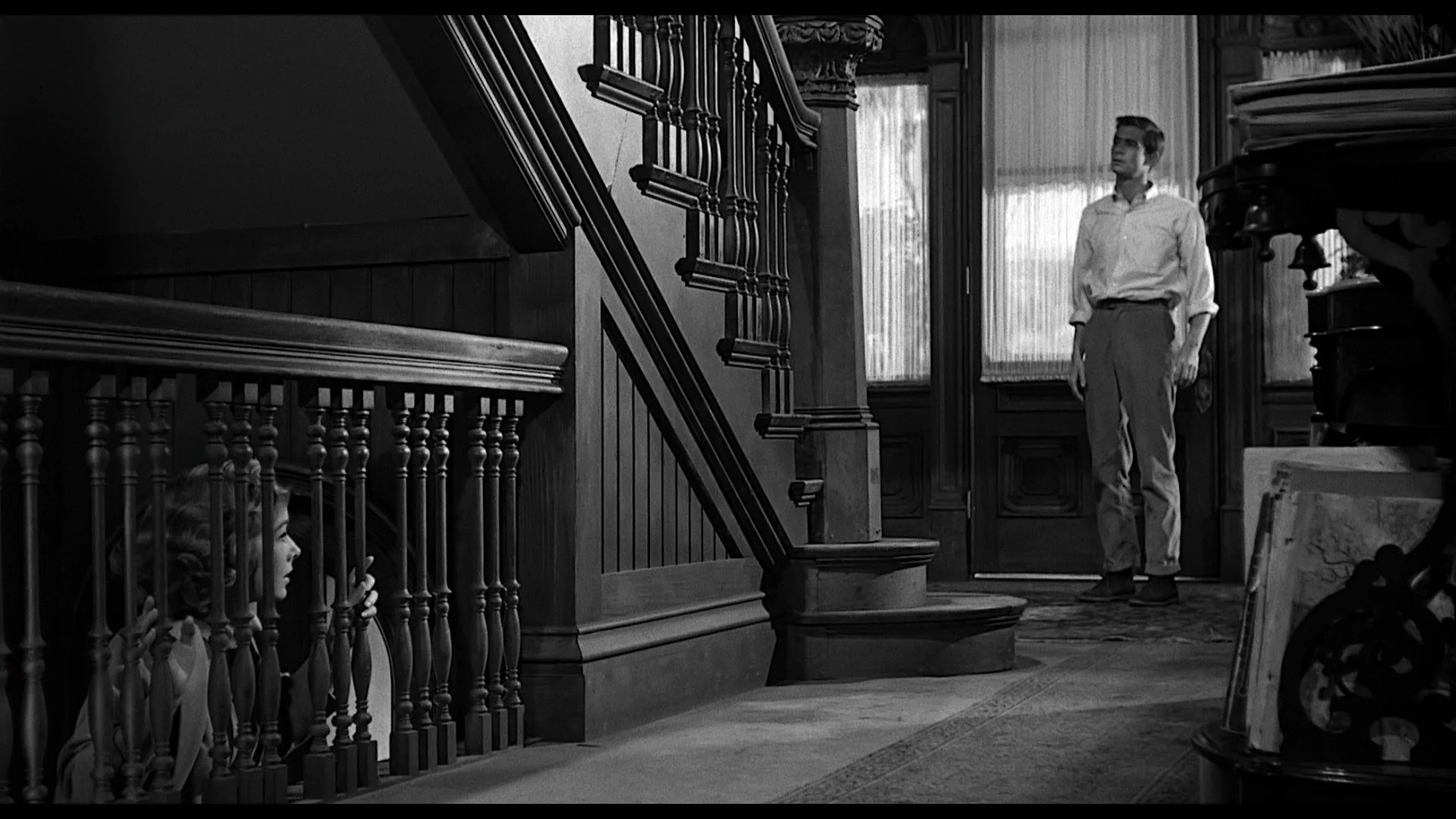
Psycho, Alfred Hitchcock (1960)
The dialogue of symbols
The danger of generative tools is that they seduce us into believing that a beautiful surface is enough. But a true visual production - whether a film, a conceptual artwork, or a multi-layered music video - is never just a sequence of beautiful, disconnected frames. It is a sustained conceptual universe.
Creating this universe requires understanding how symbols, geometry, and references dialogue with one another over time. The value of an image lies in the precise, calculated way it evokes an emotional response, and how that response bridges into the next scene. Why do we generate what we generate? Why do we choose a specific subject? How does the claustrophobic framing of a scene in the first minute of a video inform the expansive, empty landscape in the fourth minute?
This is the architecture of meaning. It is a deeply intellectual and emotional process that relies on a director’s cultural preparation and life experience. An algorithm cannot conduct cultural research. It cannot synthesize the history of art with a contemporary musical beat. It cannot grasp the subtle, invisible threads that tie an artist's personal identity to the visual metaphors surrounding them. If you ask an AI to generate a scene, it will give you a statistically probable amalgamation of past data. But art does not survive on statistical probability.
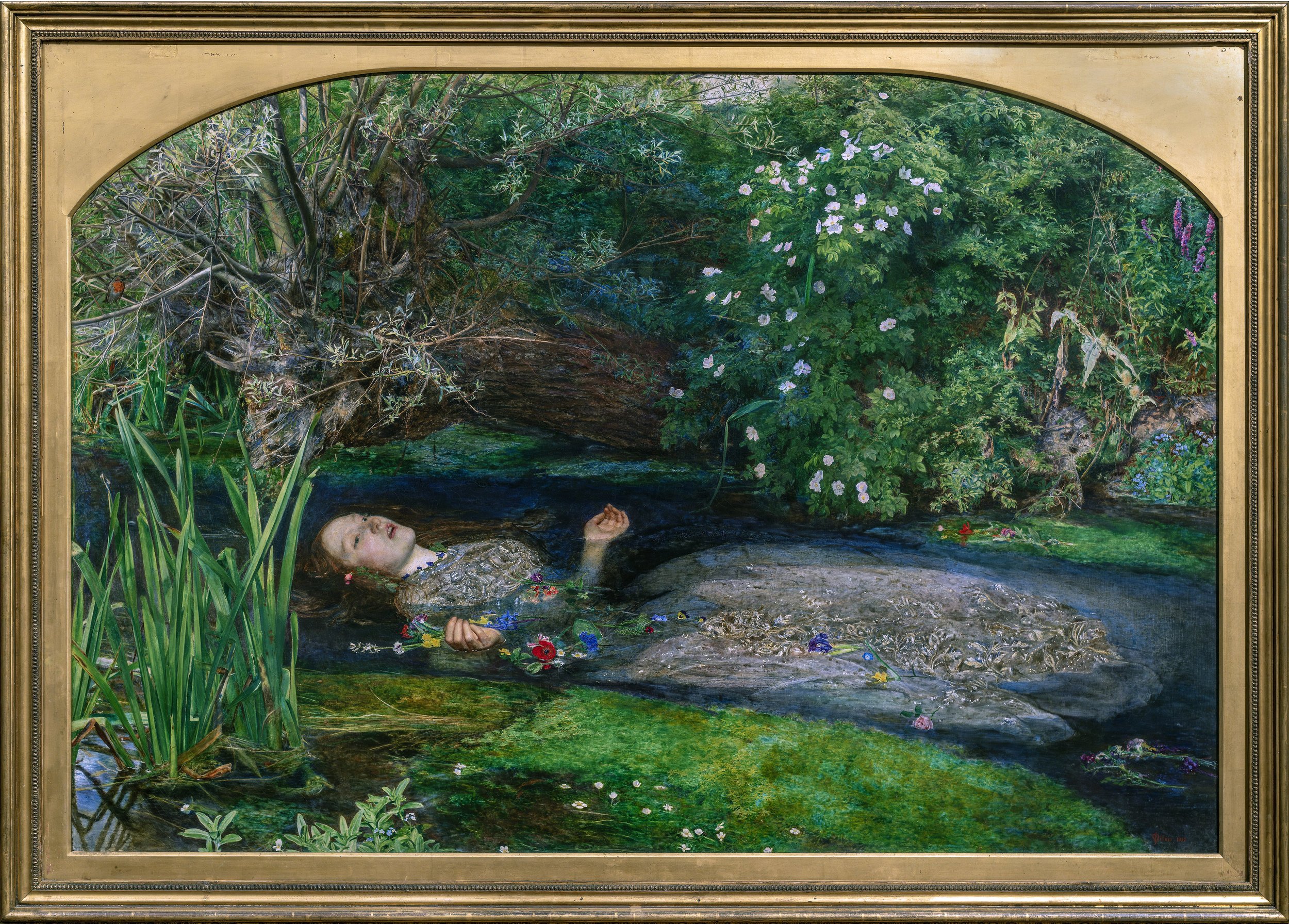
Ophelia, John Everett Millais (1851)
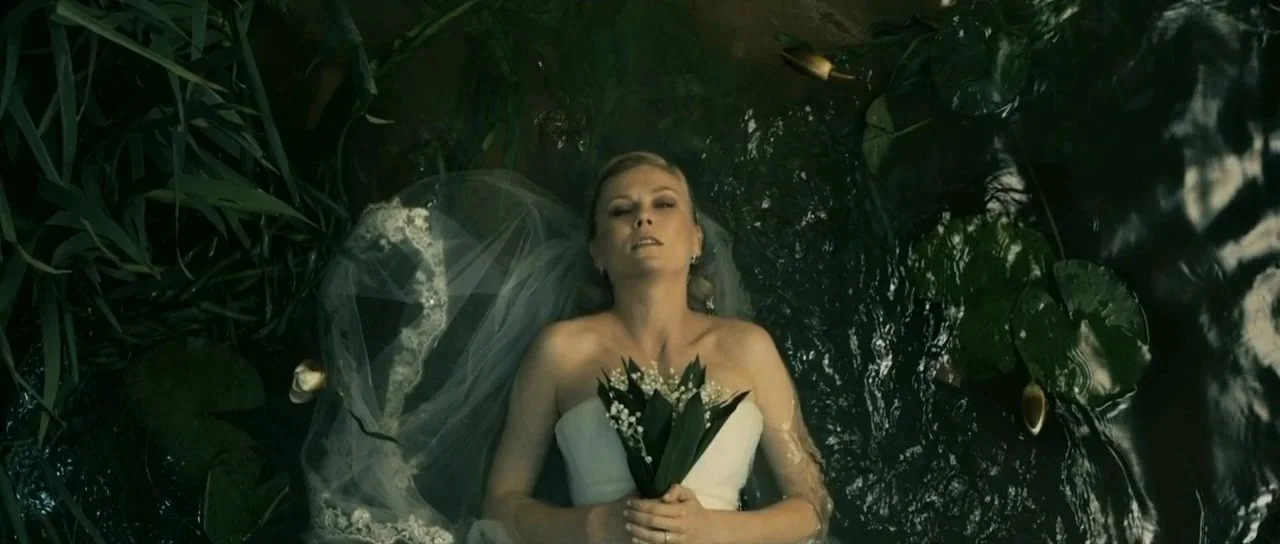
Melancholia, written and directed by Lars von Trier (2011)
The weight of human choice
We are currently drowning in weightless images. Because generative AI lacks intent, the worlds it creates natively often feel sterile, floating in a conceptual vacuum.
For a piece of visual art to carry real cultural weight, the perfection of the machine must be subjugated to the will of the artist. The real work of a modern digital atelier is not prompting the software; it is making the foundational choices of why. It is deciding how to disrupt the digital perfection, how to build a visual metaphor that resonates with the human condition, and how to honor the emotional core of the music or narrative being presented.
Technology has undeniably handed us a revolutionary canvas. It allows creators to summon the impossible, bypass physical limitations, and experiment at the absolute edge of visual boundaries. But we must stop pretending that the canvas is the artist.
When the shock and novelty of new technologies inevitably fade, the screen will be stripped of its technical gimmicks. What will be left is what has always dictated the longevity of an image: the human touch. The taste, the culture, the preparation, and the unyielding authority of artistic vision.
