

The algorithm has everything, except taste
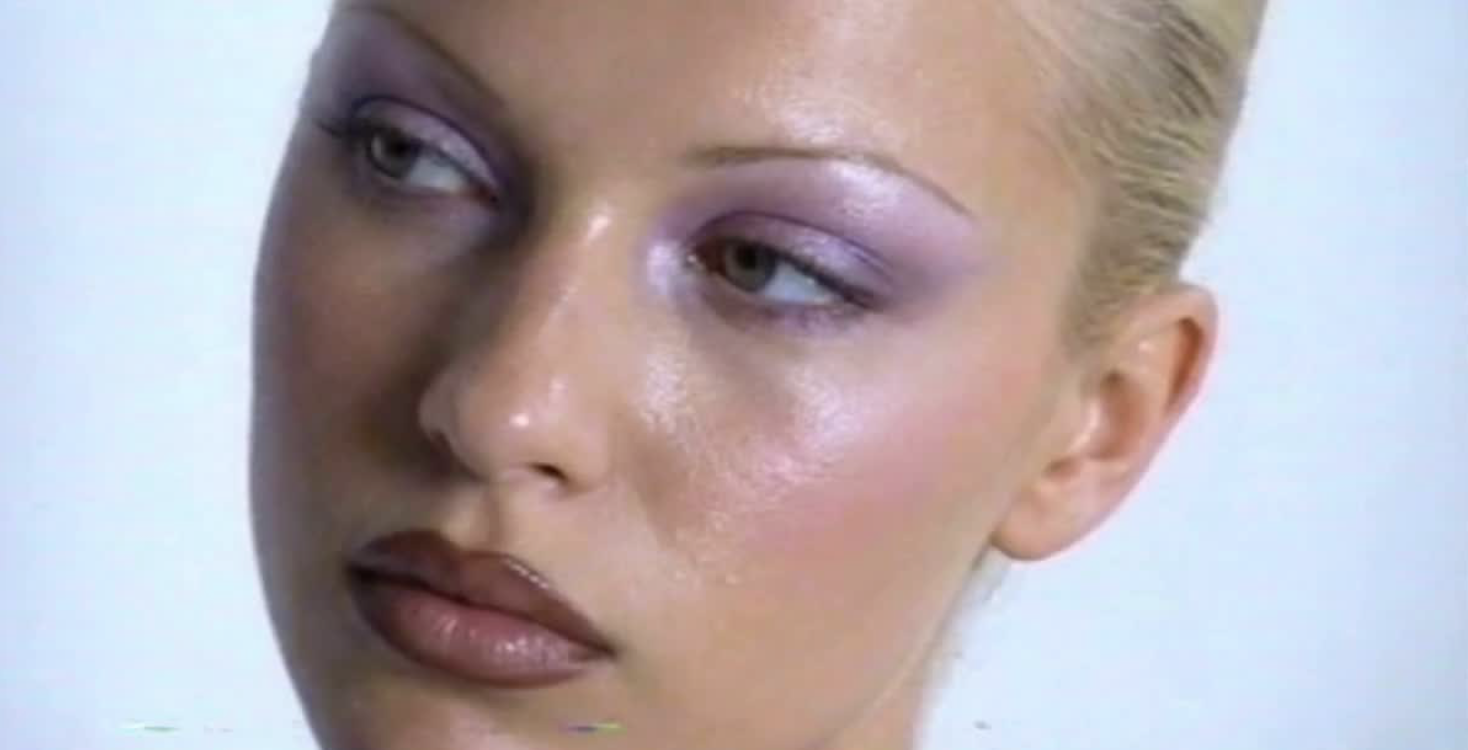
In an era defined by visual saturation, we have reached what can only be described as the Great Flattening. We are surrounded by images that are technically irreproachable - mathematically balanced, perfectly lit, and high in resolution - yet they fail to leave a mark. For brands built on the ephemeral qualities of allure and prestige, this is a crisis of identity. The modern visual landscape has become a sea of professional-grade white noise, where the channel has become more important than the message.
Blackstars Agency
The current struggle for any brand is the brutal demand for volume. The traditional concept of a "campaign" - a singular, curated vision that defines a season - is being suffocated by the daily requirement to feed the digital stream. This has forced a compromise that was once considered impossible: a trade-off between the soul of the work and the necessity of its presence.
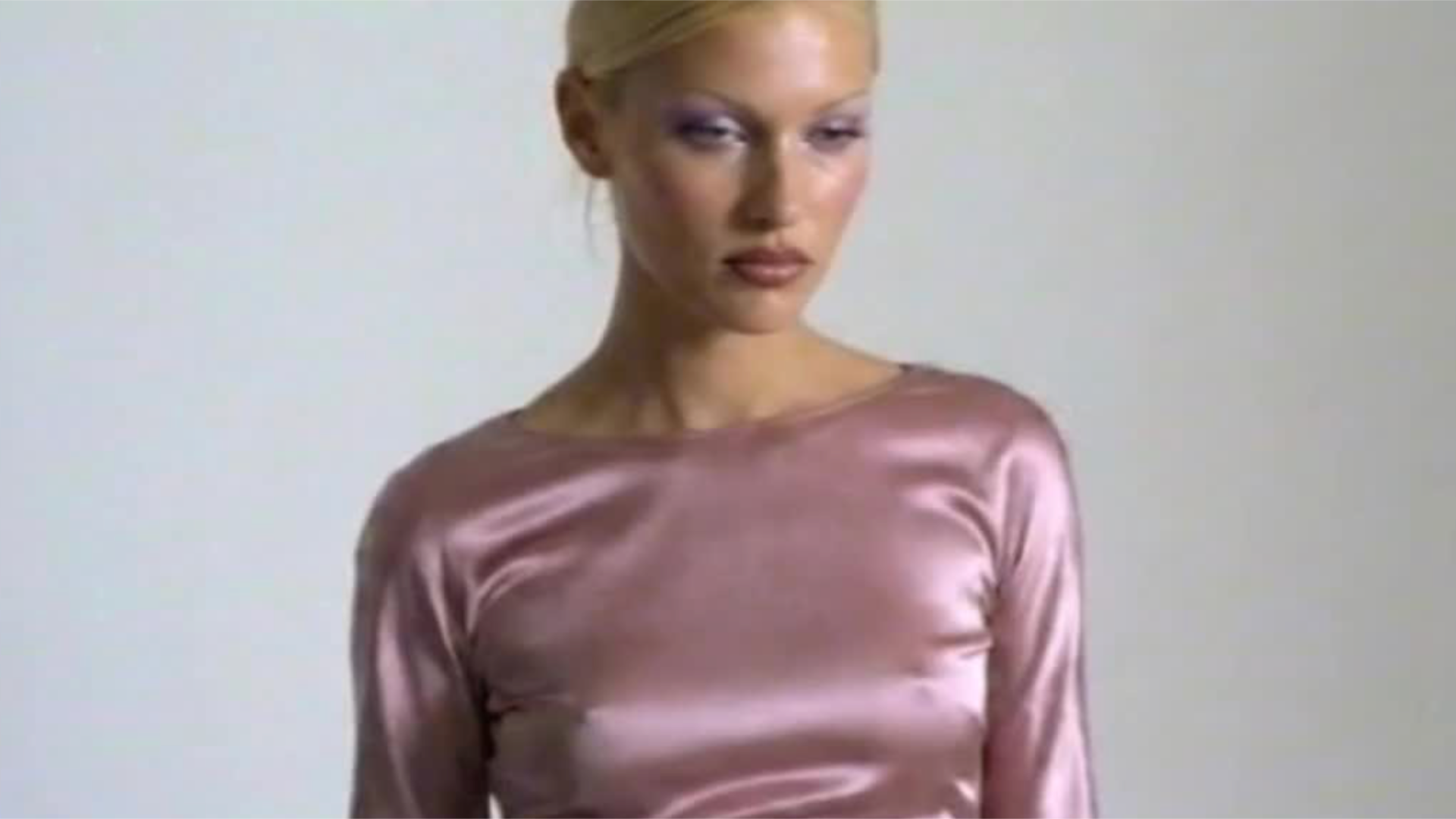
The result is a strange paradox. We have more tools to create beauty than ever before, yet we see less of it. Large heritage houses survive this by sheer financial gravity, employing legions of traditional creators to maintain their aura. For everyone else, the pressure of the clock has turned creativity into a logistical checkbox. We are no longer making art, we are managing assets.
Blackstars Agency
When sophisticated tools of generation first appeared, they were immediately co-opted by a culture of efficiency rather than a culture of taste. Because these tools emerged from the world of technology and data, they were used to automate the very things that require a human pulse: atmosphere, nostalgia, and the beauty of errors.
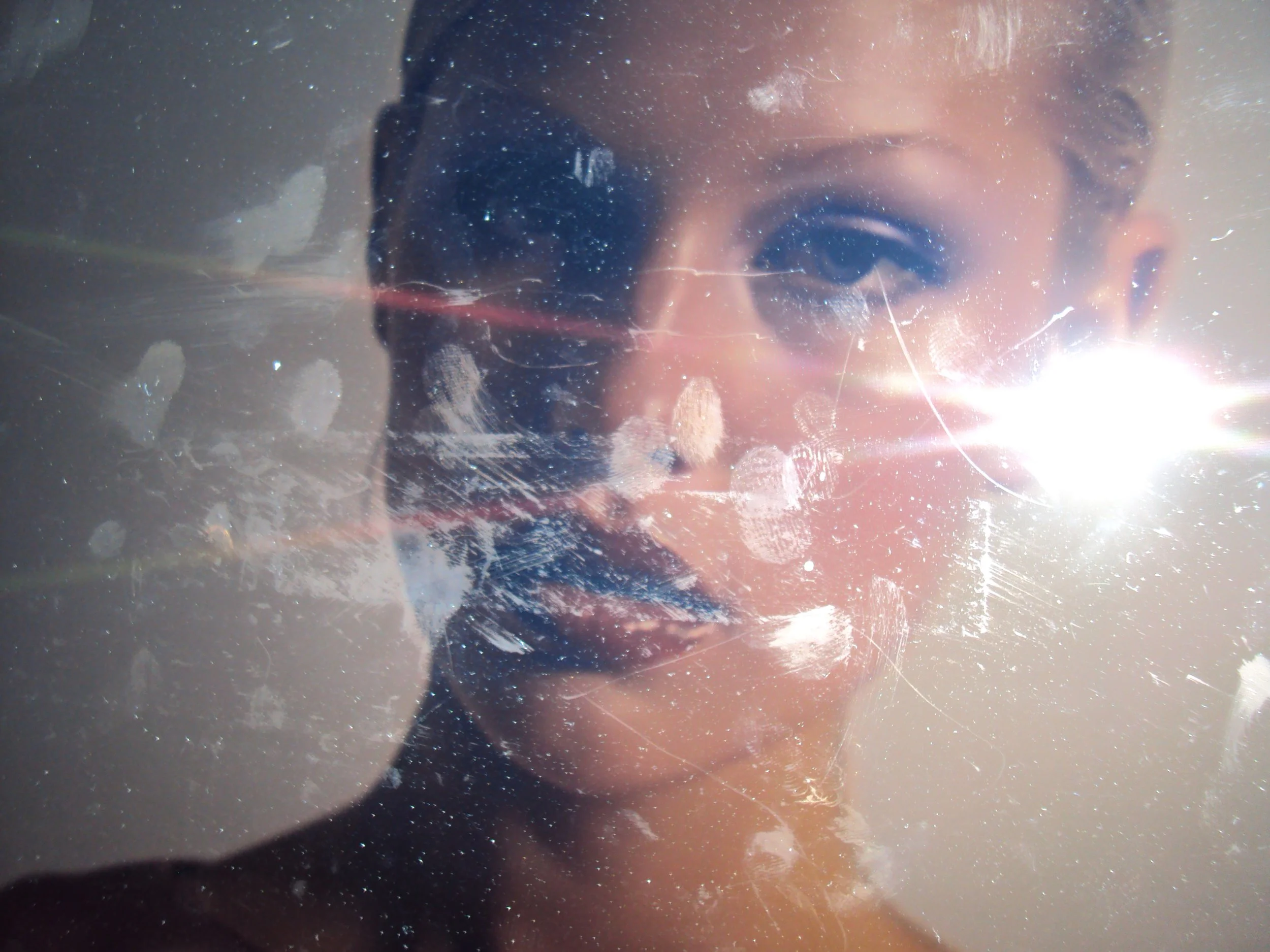
This created a deep-seated distrust among those who value the heritage of the image. The industry saw a flood of visuals that were "uncanny" - too smooth, too clean, and devoid of the tactile friction that makes a photograph feel like a memory. This wasn't a failure of technology, but a failure of the gaze. We tried to ask a machine to have a point of view, forgetting that a tool is only as profound as the archives and memories of the person guiding it.
The real obstacle to beauty in modern production is not a lack of talent, but the crushing weight of logistics. Traditional high-end filmmaking is a heavy industry. It is a world of trucks, permits, and massive crews, where the original artistic intent is often the first thing to be diluted by the reality of the set. By the time the final frame is captured, the vision has been filtered through a thousand technical compromises.
True innovation lies in shifting the weight. We are entering a period where the mechanical execution - the "physics" of the pixels - is delegated to intelligent systems, finally liberating the artist to return to the essence of the craft: deep research and curatorial intent.
Blackstars Agency
Perhaps the most radical shift, however, is the collapse of the financial gatekeeping that once defined luxury advertising. Historically, the "Vision" was a matter of capital, only the most established brands could afford the astronomical costs of world-class production. Today, by removing the logistical friction of the physical set, we have democratized the ability to be iconic.
When the cost of production is no longer tied to the number of trucks on the road or the weeks spent in post-production, a brand's power is measured solely by the depth of its vision. Even for boutique and emerging brands, the barrier between a great idea and a world-class execution has evaporated. This is the new economy of the image: a world where resources can be reallocated from the logistics of "how" to the artistry of "what," allowing brands to compete on the level of taste rather than the level of spend.
In a world where technical barriers have collapsed, taste has become the only true scarcity. The value of the modern creator has shifted from being an "operator" of equipment to being a "curator" of emotion.
The future of luxury branding belongs to those who understand that these new tools are not here to replace the artist, but to protect the artistic space. We are moving toward a visual world that is physically impossible but emotionally authentic - a place where technology is finally used to restore the atmosphere that the digital age almost took away.
